This is aimed to encourage regular physical activity to maintain a healthy body and mind.
Treatment for Dementia
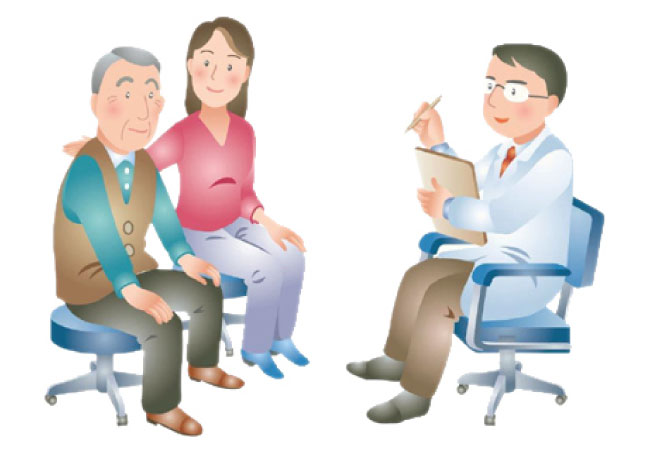
There is currently no absolute cure for dementia but there are methods to improve the symptoms of dementia and functional status. Medications used to enhance cognition can be prescribed and must be monitored by a medical professional.
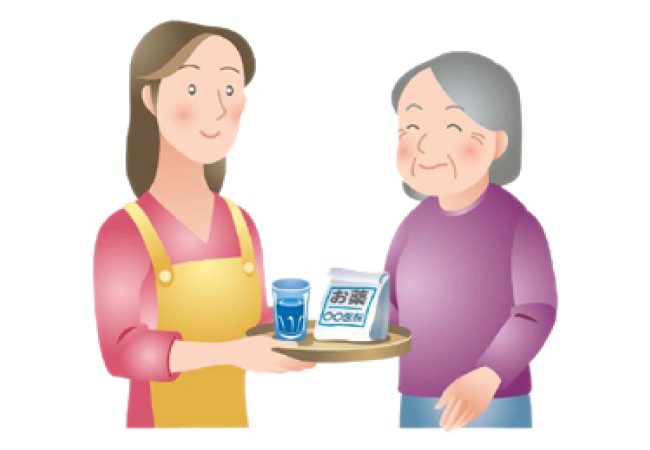
Medication for Dementia
Medications have been used to improve cognitive symptoms such as memory loss, problems with thinking, poor judgement, anxiety, agitation and depression. Improving and delaying the onset of symptoms allow the person with dementia to live more independently and improve their quality of life. It can also help to reduce caregiver stress and burden. It is important to understand that advice from medical professional is necessary to determine the suitability of these medications for the specific individual with dementia.
General tips on improving the daily lives of people with Dementia
Various therapies have been reported, such as the “reminiscence method.” This method aims at reinforcing the self-image of patients, by providing them with an opportunity to look back over their life through the use of songs, toys, and tools that they are familiar with.
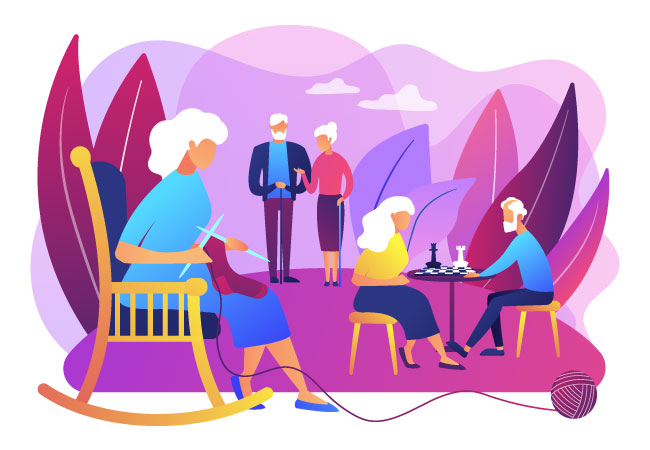
Communication with their families and friends, chatting at day-care facilities and group homes, games, etc., are also some important stimulus to keep the brain and mind active.
Reminiscencing Activities
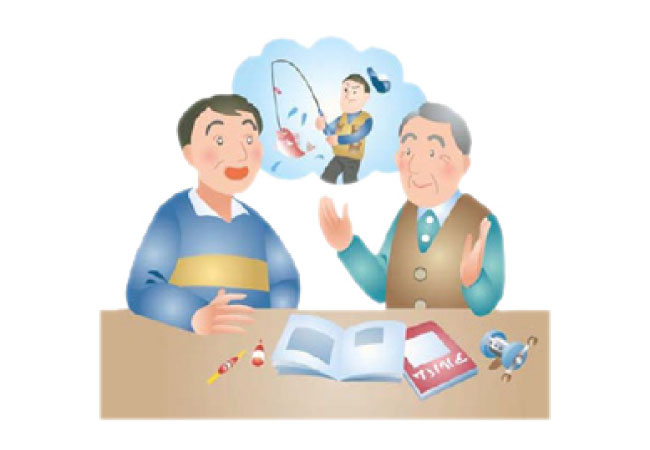
People living with dementia routinely forgets recent events but remember old events well. Reminiscing reinforces the person’s self-image by providing them with an opportunity to connect back to the past through the use of pictures, songs or talking about events that they are familiar with. This method allows the person living with dementia to have a pleasant time and improve psychological well-bring and self-esteem.
Persons with dementia are encouraged to take the lead in sharing their experiences. Carers should use open-ended questions, listen actively, respond positively, and ask follow-up questions to engage with the person living with dementia. Sometimes they may need help in getting started, hence the use of photographs, albums, music and objects can help to initiate the conversations.
Music therapy
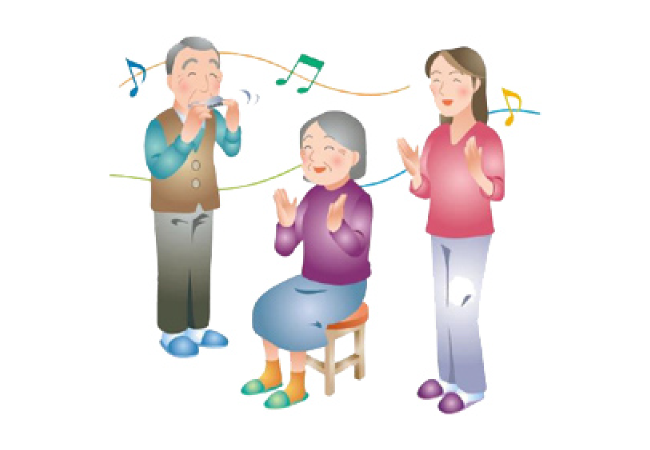
Music helps people reminisce and relate to emotions and past experiences. Music therapy is aimed at relaxing both the mind and body as well as to reducing stress and anxiety. Listening to music, sing-alongs or playing music instruments can reduce behavioural and psychological symptoms of dementia. It also reduces boredom and can be a cognitive stimulating activity.
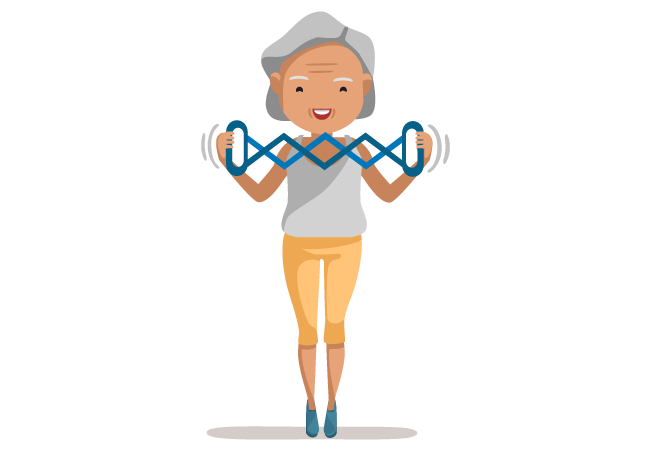
Physical exercise should be continued for as long as possible for people with dementia, as it has been found to have a number of benefits. It can prevent muscle weakness, mobility problems, reduce behavioural disorders such as sleep disorders, promote a normal day-night routine, increase social participation, and reduce other health complications associated with inactivity.
Consulting a doctor before starting any exercise program should be considered, especially where there are other illnesses or disabilities to consider.
This is aimed at helping the person with dementia to be more aware of their immediate surroundings by providing appropriate aids to maintain their functioning.
Home setting aids and prompts include:
Reality orientation boards
Displays the current location, day, date, time, and even weather in a simple and clear manner
Using the calendar
This therapy also encourages the patient to connect with other people and to become more aware of their surroundings, which is expected to lead to a reduction in confusion, disorientation, and behavioural problems.
Make sure to cross the date every morning and note down special events such as birthdays, festivals and medical appointments, etc. on the calendar
Large visible clocks and/or use of digital watch
Choose clocks or watches with a simple design, with appropriate colour contrast to make it easier for the person to tell the correct time.
Reading the newspaper
This would help the person keep in touch with the recent local and international events
Pictorial signs on each door
This can help them to identify the appropriate room and reduces disorientation
Identity tags
This includes information like their name, close family member’s phone number, disease name, allergies and blood group. The tags can be placed in their wallet or inside the pocket of their blouse/ shirts.
Name badges or family portraits
This helps them to identify individual (avoid portraits with large members) members of the family.
To care for those who once cared for us is one of the highest honors
– Tia Walker –