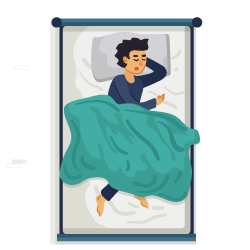
A person with dementia may have a disturbed sleep wake cycle. This occurs as they may not be able to distinguish between day and night, or if they have too many naps during the daytime. It could also be caused by hallucinations, delusions and an environment that is unpleasant to them. Restlessness might affect their sleep at night too.
Care tips
Assess sleep pattern
Assess the person with dementia’s sleep pattern before and after the diagnosis of dementia. If they are usually a late sleeper, then caregivers should not encourage them to go to bed too early.
Increase day time activities
Encourage regular activity and discouraging them to have naps during the daytime to help them achieve a good night sleep.
Create a comfortable environment
Adjust the temperature and brightness of the bedroom. Note that some people prefer to sleep under bright light and some are afraid of the dark. Make sure that their bedding and sleepwear are comfortable too.
Light meals and massages
If they have trouble falling asleep, sometimes giving them warm milk can help them sleep better. Other than that, footbaths and massages are also effective as they are relaxing and is effective in improving blood circulation.
Anxiety might cause insomnia
Sometimes it is also a good idea to have someone beside the person with dementia before they fall asleep to give them a sense of security. In addition, telling them things that they can look forward to can help reduce anxiety too.
Talk to your doctor
If no lifestyle measures seemed to help, make sure you bring them to visit the doctor.
To care for those who once cared for us is one of the highest honors
– Tia Walker –