Memory loss is a common symptom that appears in all individuals with dementia. It is often one of the first signs, especially for Alzheimer’s disease.
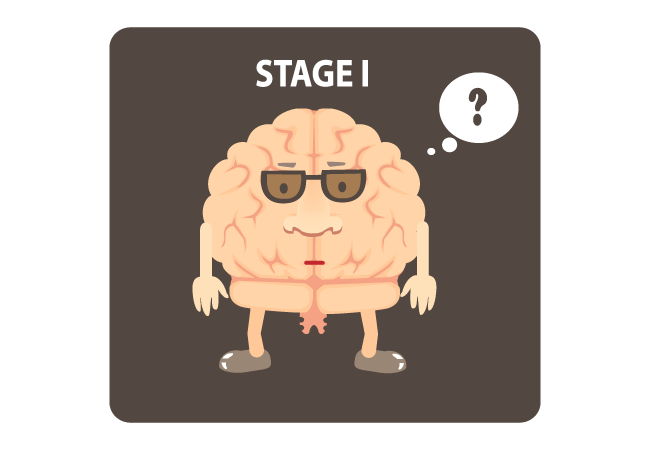
Mild stage
Persons with dementia are forgetful and often find it hard to remember new events. They might say things like “I haven’t made such a promise” or “I haven’t received such a call.” It is also common for the persons with dementia to ask the same questions repeatedly.
In the early stage, the person with dementia may notice the changes as compared to when they were healthy, even though they may find it difficult to express it. They usually experience anxiety as they notice the changes happening to them and tend to react negatively.
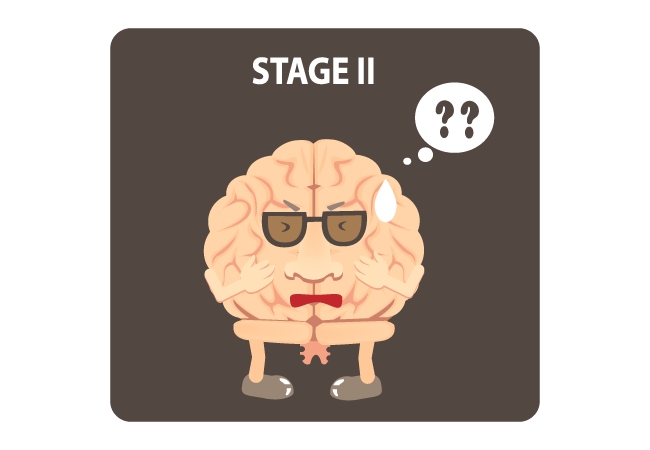
Moderate stage
During this stage, persons with dementia may easily lose track of their thoughts and become unable to live independently at home. Even reminder notes that were useful at the beginning could lose its effectiveness because they tend to forget what they have written down and where they put the memos. Communication may become harder. They might also require assistance for their daily activities such as getting dressed or showering.
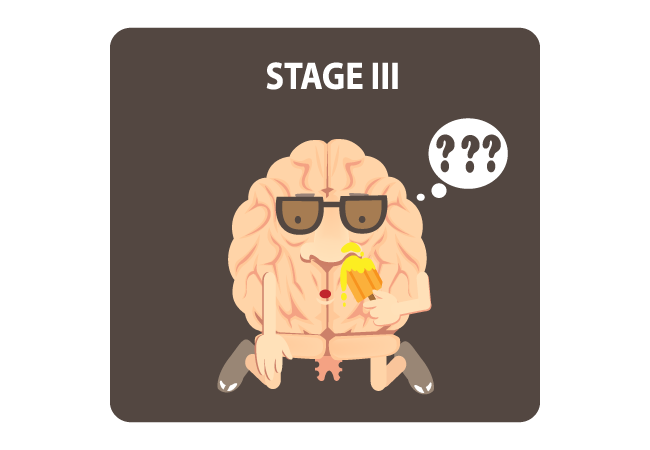
Severe stage
As their memory continues to deteriorate, persons with dementia generally lose motivation and the interest in things. They might even forget family members’ names and may not even be able to communicate their needs. Some might even revert back to their childhood days.
In this late-stage, it is likely for the person with dementia may require full assistance with activities of daily living and may even be bedridden.
General Care tips
Have a fixed daily routine
Caregivers can try setting up a regular daily routine from the beginning as it will reduce the confusion in the person with dementia and be less likely to affect their life even if they begin to forget something.
Assist them
If they are in the early stages, caregivers can encourage the person with dementia to use notes to help with their forgetfulness.
It is a good idea to give a fixed location for the storage of items commonly misplaced, and put it on a place that is easily seen.
Caregivers can also attach tracking devices on items that are easily misplaced – e.g. wallet and keys.
Valuing the moment
Unfortunately, persons with dementia during this stage may not be able to remember what they have eaten or the activities they have participated in. However, even if they don’t have a good memory, they will still remember the happiness from the event. If you are a caregiver, don’t expect any details to be remembered and try changing your mindset so that you won’t feel let down. Cherish your time spent together, celebrate and appreciate what is still present.
Communicating with the person with dementia
Care tips
Pay attention to the changes
Be patient
Be patient in waiting for the person with dementia to reply. Although one can easily feel annoyed, it is crucial not to challenge anything they say or point out the repetitions. As overtime, the person suffering from memory loss might lose self-confidence.
Just make sure to remain gentle and sincere. Always look for the root cause of this behavior and show empathy.
Work on strengthening the trust between one another
Try to be as polite as possible and build a stronger relationship of trust with them.
Encourage them to share about their day. This is a good way of remembering and feeling positive about what they have done that day.
Note that bad feelings remains
Bad memories such as being scolded and threatened can have lasting effects on how they feel. Persons with dementia usually remember the emotions associated with the event, even if they don’t remember the details.
Therefore, it is important to speak gently and use simple words when communicating, maintain a good relationship with them although communicating with persons with persons with dementia can be difficult sometimes.
When they insist
For example, a person with dementia may forgot that they have eaten and insisted that they need food.
It can be useful to distract them by saying, “I’m preparing your meal now, so please wait with a cup of tea.” Sometimes it can also be easier for them to remember when empty dishes are left on the table and not cleaned immediately after their meal.
Reduce distractions
Communication work well with no distractions. If the environment is noisy or very busy, the person with dementia will find it harder to remember things or concentrate. Therefore, try to ensure their environment is quiet and remove any unnecessary distractions.
To care for those who once cared for us is one of the highest honors
– Tia Walker –